Taking Care with Anne Lindyberg — a free live conversation Mondays at 6:00pm Central Time on YouTube.
See Monday's Show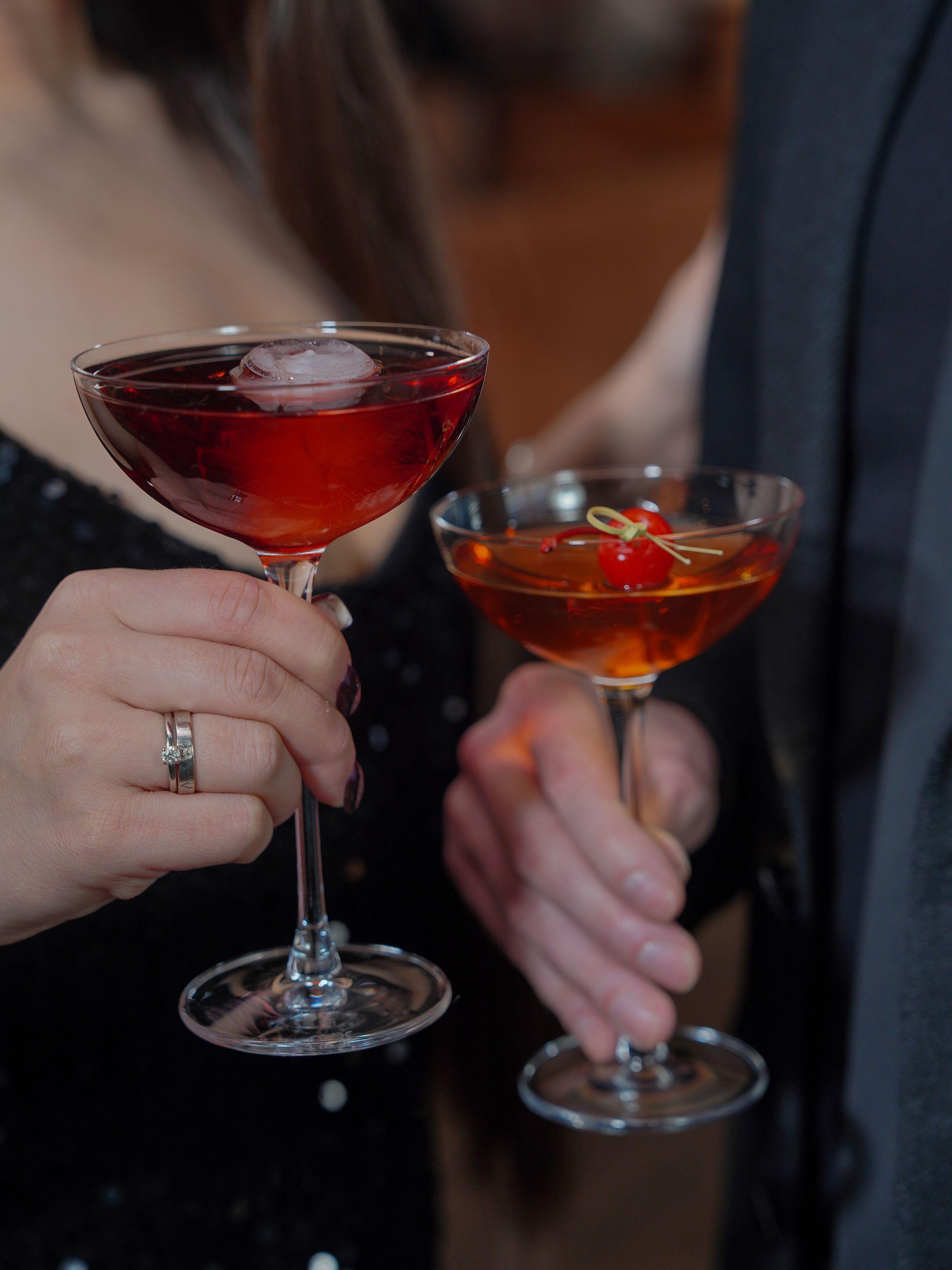
When the Day Is Over | Part 1
Perhaps you enjoy making a drink. The sound of ice in the glass marks the end of work. You like the taste and the small ceremony of it.
Or perhaps you have been waiting for that drink since three o’clock.
Those experiences can look identical from the outside. The difference may lie in what you need the drink to do.
For some people, cocktail hour was part of the household clock. A parent came home, changed clothes, and poured a drink. Guests were offered one. Adults talked while dinner was made. In other families, it was a weekend ritual, a holiday ritual, or simply what grown-ups did when the working day was over.
You may have learned to associate that hour with warmth and conversation. Or you may remember watching for a change in someone’s mood after the first drink. You might carry both memories.
That history matters. Reaching for a drink at six o’clock may feel so ordinary that you have never thought to ask what the ritual means to you now. There is no need to treat a family custom as evidence of a problem. There is also no reason to assume it meets your needs simply because it is familiar.
Some people spend the day handling one thing after another. They make decisions, answer questions, stay pleasant, and keep moving. There may be little room to notice how tense they are.
Then they close the laptop.
Nothing is urgently required of them, but they cannot settle. They replay a conversation. They remember what they forgot to do. Their shoulders are still up around their ears. A drink offers a recognizable transition.
Anxiety does not always announce itself as fear. It may look like anticipating problems, staying useful, or feeling unable to be off duty. If the first comfortable moment of your day arrives after a drink, it is reasonable to wonder what has been happening during all the hours before it.
You do not have to make a rule about drinking to get curious. On an ordinary evening, notice the time between finishing work and deciding to pour a drink.
What is uncomfortable in that stretch? Are you restless? Worried? Lonely? Angry about something you had to swallow during the day? Do you feel you must finish one more useful thing before you are allowed to rest?
Then notice what you expect from the drink. Do you want its taste? The ritual? Permission to stop? A little distance from thoughts that have followed you home?
The answers may differ from one evening to another. That is useful information too.
Alcohol can bring a sense of relief in the moment. That helps explain its appeal. But anxiety and alcohol use can also become entangled in ways that deserve attention. The National Institute on Alcohol Abuse and Alcoholism’s discussion of co-occurring mental health concerns is one reason to look at both, rather than assuming a change in drinking alone will resolve anxiety.
Can you enjoy an evening without a drink? Can you settle after a difficult day? If you decide not to drink, does that feel like a choice—or like something you must endure?
There is no virtue in pretending a habit gives you nothing. It may give you pleasure, quiet, or a sense of company at the end of a lonely day. Understanding what it provides is often more useful than scolding yourself for wanting it.
If you are living in a state of constant readiness, anxiety deserves attention in its own right. What sets it off? What keeps it going? Why can rest feel so difficult?
You do not have to answer all of that from your kitchen at six o’clock. You can begin with one honest question: What am I asking this drink to do for me tonight?
If the answer concerns anxiety, therapy may help you understand it and find more room to choose. If drinking has become difficult to limit or is causing harm, NIAAA describes signs that warrant a closer assessment. Both concerns deserve to be taken seriously.
Part 1: Is It Anxiety That Makes Me Want a Drink After Work?
Part 2: Why Does a Drink Sound Good When Nothing Else Does?
Part 3: Why Is It So Hard to Unwind Without a Drink?
Anne Lindyberg, LMHC (Iowa), LCPC (Illinois), integrates the experiential therapy of Virginia Satir with Deep Brain Reorienting (DBR) and the Alexander Technique. She specializes in helping adults with complex and developmental trauma create lasting emotional change through therapy. She addresses substance use when it occurs alongside another mental health concern; she does not provide stand-alone substance use treatment.
This article and other informational content on this website are provided for educational purposes only. They are not a substitute for individualized professional care, do not constitute advice specific to your circumstances, and do not establish a therapist-client relationship.
This work is created on the traditional and unceded lands of Indigenous peoples; a fuller acknowledgment of the land, its history, and its peoples is available on this website.
National Institute on Alcohol Abuse and Alcoholism. “Mental Health Issues: Alcohol Use Disorder and Common Co-occurring Conditions.” https://www.niaaa.nih.gov/health-professionals-communities/core-resource-on-alcohol/mental-health-issues-alcohol-use-disorder-and-common-co-occurring-conditions
National Institute on Alcohol Abuse and Alcoholism. “Understanding Alcohol Use Disorder.” https://www.niaaa.nih.gov/publications/brochures-and-fact-sheets/understanding-alcohol-use-disorder

 Midwest Center for Transformational Change PLC